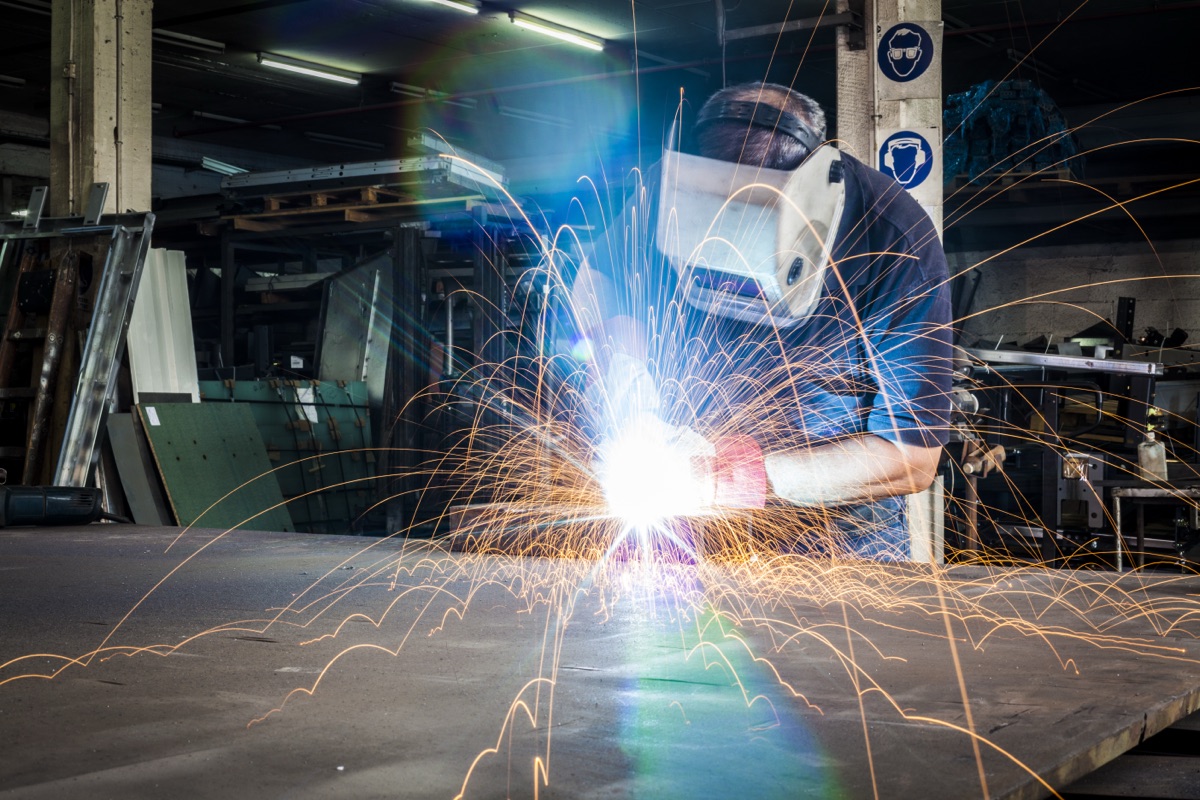
Welding fumes contain hazardous substances that require careful management. Air quality monitoring provides the data needed to protect workers and demonstrate compliance with safety regulations.
Modern monitoring systems make it easier than ever to maintain safe working environments.
What's in Welding Fumes?
Welding fumes are a complex mixture of metallic oxides, gases, and particles. The specific composition depends on the materials being welded, the welding process, and consumables used.
- Metal oxides from base and filler metals
- Gases including ozone and nitrogen oxides
- Particles ranging from visible smoke to ultrafine particulates
- Potentially carcinogenic compounds from some materials
Monitoring Technology
Modern air quality monitors can detect and measure specific contaminants in real-time. Coral systems incorporate differential pressure monitoring that tracks filter condition and adjusts cleaning cycles accordingly.
Continuous monitoring provides documentation for regulatory compliance.
Regulatory Requirements
OSHA and other agencies set permissible exposure limits for welding fume constituents. Regular monitoring demonstrates compliance and identifies when additional controls are needed.
Documentation of monitoring results is essential for regulatory inspections.
Taking Action
Air quality data is only valuable if you act on it. Work with Big Fan Man to establish monitoring protocols and response procedures that keep your workers safe and your shop compliant.