Industrial ventilation systems face a constant challenge: providing adequate airflow while keeping noise levels manageable. This balance is crucial for worker comfort, productivity, and compliance with occupational health standards.
Understanding the relationship between airflow and noise generation is the first step toward creating an optimal working environment.
Understanding Noise Sources
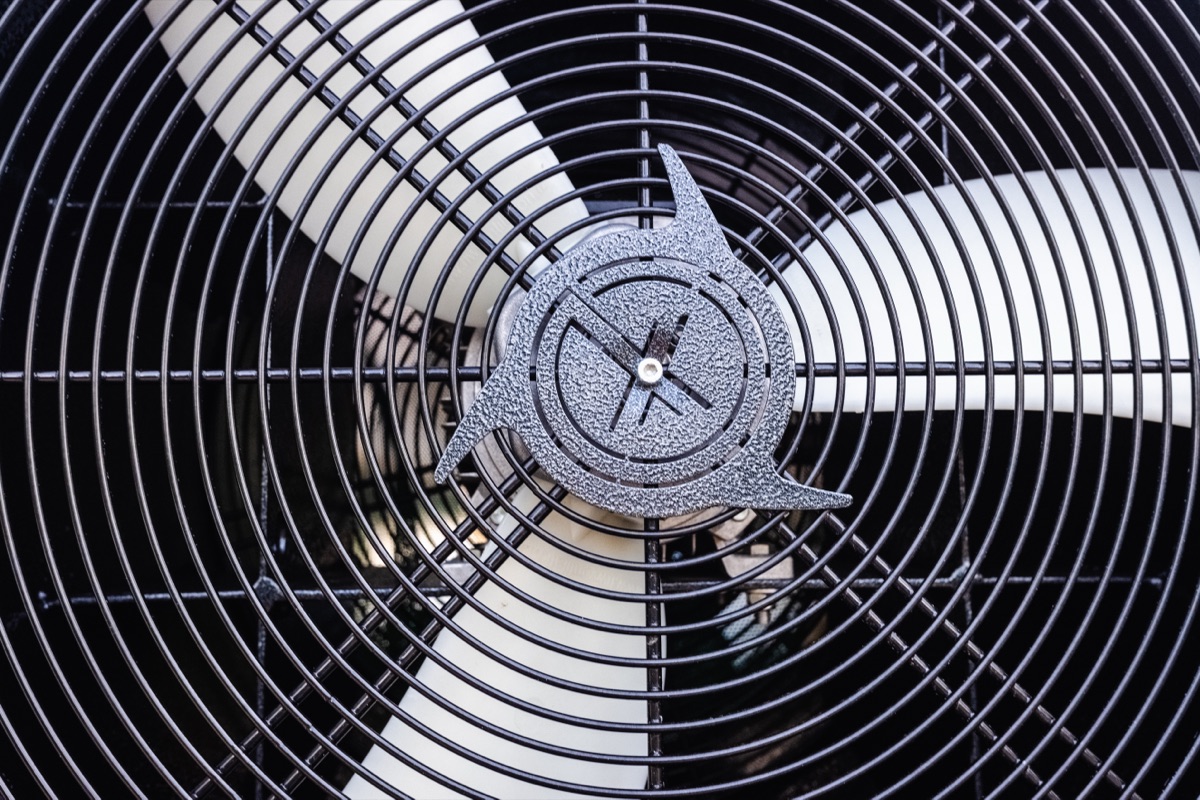
Fan noise in ventilation systems comes from several sources: blade rotation, motor operation, and turbulence within the ductwork. Each of these can be addressed through proper design and equipment selection.
High-speed fans typically generate more noise than HVLS (High-Volume, Low-Speed) alternatives, even when moving similar amounts of air.
Strategies for Noise Reduction
Selecting the right fan type is critical. HVLS fans move large volumes of air at lower speeds, significantly reducing noise output while maintaining or improving airflow coverage.
- Choose HVLS fans over high-speed alternatives
- Install acoustic dampeners in ductwork
- Use flexible connections to reduce vibration transfer
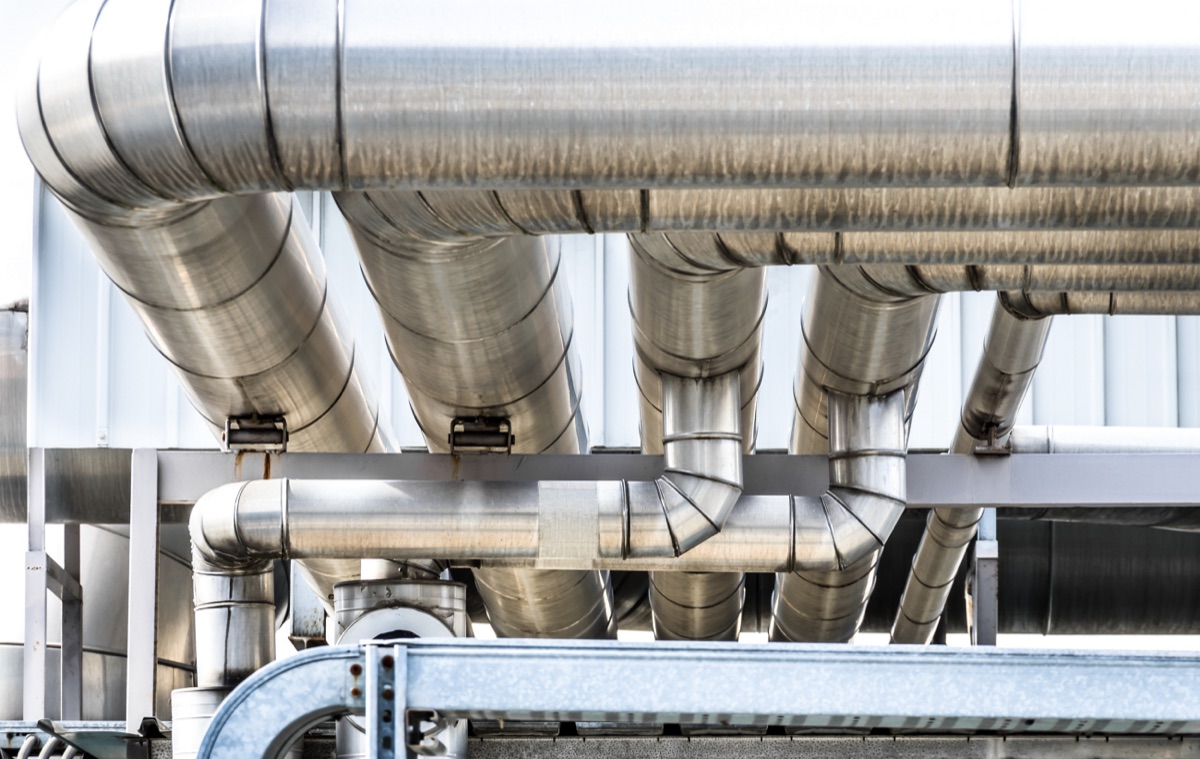
- Maintain proper duct sizing to minimize turbulence
- Regular maintenance prevents noise from worn components
Optimizing Airflow Patterns
Strategic fan placement can improve air circulation efficiency, allowing you to achieve desired airflow with fewer or slower-running units. This directly impacts noise levels while maintaining comfort.
Consider the facility layout, heat sources, and worker locations when planning fan placement.
Working with Big Fan Man
Our team specializes in finding the right balance between performance and comfort. We'll assess your facility's unique needs and recommend solutions that optimize airflow without creating excessive noise.
Contact us for a free consultation to discuss your ventilation challenges.